
What Is IV Hydration Therapy?

Feeling drained after a stomach bug, a long workweek, intense exercise, or too much time in the Alabama heat can make even simple tasks feel harder. If you have been wondering what is IV hydration therapy, the short answer is this: it is a treatment that delivers fluids directly into your bloodstream through an IV, often along with electrolytes or vitamins, to help support hydration and recovery.
That sounds simple, but there is a reason so many people ask about it. IV hydration therapy sits at the intersection of wellness and medical care. For some people, it can be a practical option when they are dehydrated, worn down, or having trouble bouncing back. For others, it may not be necessary at all. The key is understanding what it does, what it does not do, and when medically supervised care matters.
What Is IV Hydration Therapy and How Does It Work?
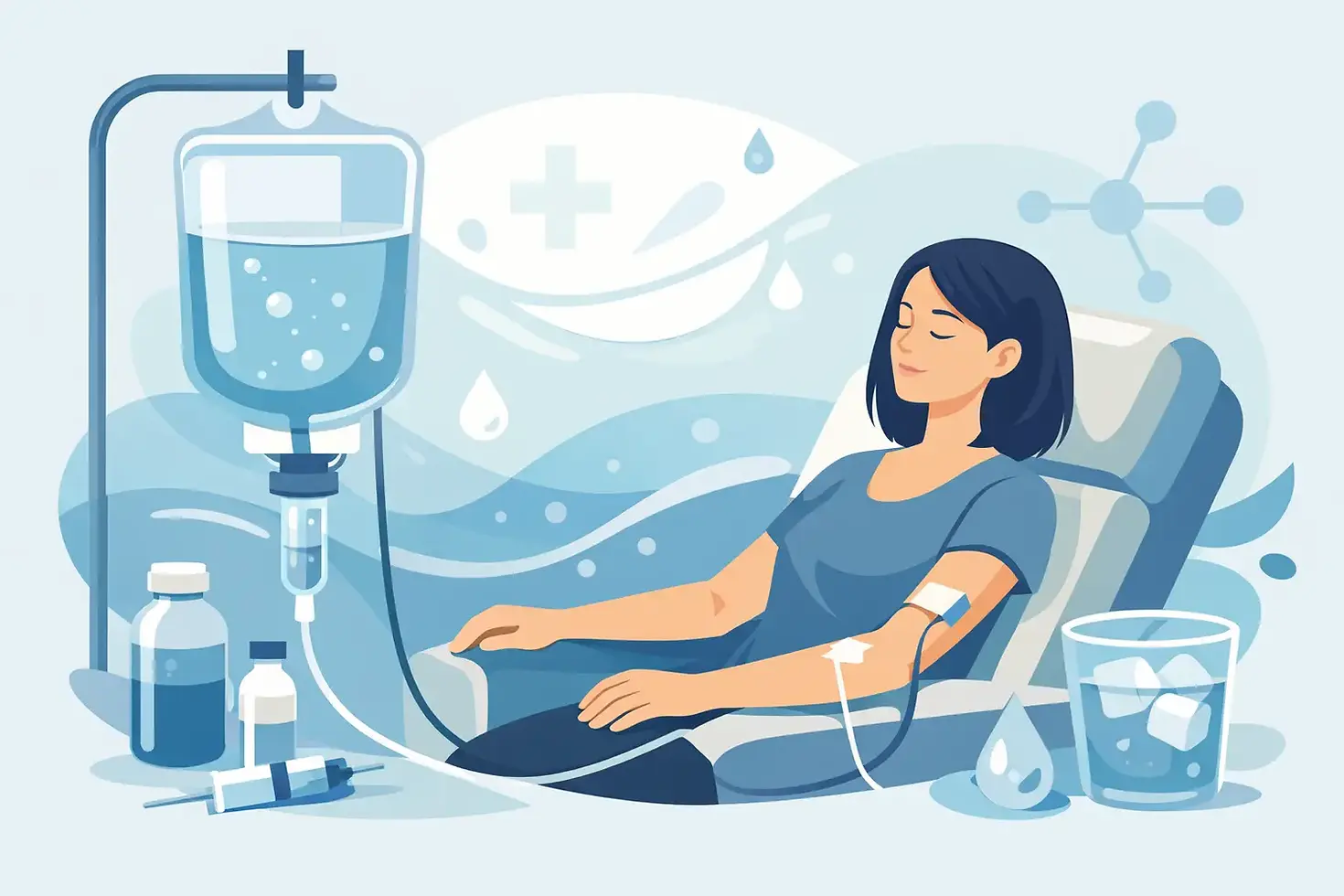
IV hydration therapy uses a small catheter placed into a vein, usually in the arm, to deliver fluids directly into the body. Because the fluids bypass the digestive system, they do not have to be absorbed through the stomach and intestines first. That is one reason people often choose it when they are nauseated, dealing with vomiting, or feeling too run down to rehydrate quickly by mouth.
The fluid in an IV bag is usually saline or another medical fluid designed to help restore hydration. Depending on the visit and the patient, a provider may also include electrolytes or certain vitamins. The exact formula is not one-size-fits-all. A medically guided visit should take your symptoms, health history, and goals into account before recommending anything.
In plain terms, IV hydration therapy is meant to help support fluid balance. If your body is low on fluids, that can affect energy, headaches, dizziness, and how you feel overall. Replacing those fluids may help you feel better faster in the right situation.
Why People Seek IV Hydration Therapy
Most people do not come in asking for complicated medical explanations. They come in because they feel bad and want relief. Common reasons someone may consider IV hydration therapy include dehydration from illness, heat exposure, travel, exercise, or recovery after a busy stretch of life when sleep, nutrition, and hydration have not been ideal.
For example, if you have had a virus with vomiting or diarrhea, drinking water may not be enough, especially if you cannot keep much down. If you work outside, spend a lot of time commuting, or are active in hot weather, fluid loss can also catch up with you quickly. In those cases, replacing fluids may help support recovery.
Some patients also seek IV hydration as part of a broader wellness routine. They may be looking for help with fatigue, post-workout recovery, or general hydration support. That does not mean IV therapy is a cure-all. It means there are situations where people feel it offers a more direct option than trying to rehydrate on their own.
What Is in an IV Hydration Drip?
The answer depends on why you are being seen. The base of most hydration treatments is fluid, often saline. From there, a provider may recommend added electrolytes or vitamins depending on the situation.
Electrolytes such as sodium or potassium help the body maintain fluid balance and support normal function. Some wellness-focused drips may also include vitamins like B vitamins or vitamin C. These additions are often part of the appeal for patients seeking support for energy or recovery, but they should still be used thoughtfully.
More is not always better. A customized approach matters because health needs vary from person to person. Someone recovering from dehydration after a minor illness may need something different from someone looking for hydration support after prolonged heat exposure or exercise.
Who Might Benefit From IV Hydration Therapy?
IV hydration therapy may be helpful for adults who are mildly to moderately dehydrated, especially when they are struggling to rehydrate by mouth. That can include people with nausea, vomiting, diarrhea, fatigue, headaches related to dehydration, or general weakness after illness.
It may also appeal to people who want convenient, medically supervised hydration support without a long wait at a larger facility. For busy parents, working adults, and people trying to get back on their feet quickly, that convenience matters.
Still, it depends on the cause of your symptoms. Feeling tired does not always mean you are dehydrated. Headaches can come from many causes. If the real issue is an infection, a UTI, the flu, or another medical concern, hydration may help support you, but it may not address the whole problem. That is why being evaluated by a healthcare provider is so important.
When IV Hydration Therapy May Not Be the Right Fit
This is where nuance matters. IV hydration therapy can be useful, but it is not appropriate for every situation. If someone is severely ill, having chest pain, trouble breathing, confusion, severe abdominal pain, or signs of a true emergency, they need a higher level of care.
There are also people who need extra caution with IV fluids, such as those with certain heart or kidney conditions. In those cases, getting fluids too quickly or in the wrong amount may not be ideal. A proper medical review helps lower that risk.
And sometimes the better answer is simple oral hydration, rest, and monitoring symptoms at home. If you can drink fluids, are not losing too much through vomiting or diarrhea, and are otherwise stable, you may not need an IV at all. Good care includes saying that when it is true.
What to Expect During a Visit
A quality IV hydration visit should feel straightforward and supportive. First, a provider reviews your symptoms, medical history, and goals. That step matters because it helps determine whether IV hydration is appropriate and what type of infusion makes sense.
Once the plan is set, the IV is placed into a vein, usually in the arm or hand. The fluids then run over a period of time while you sit and relax. Many patients describe the process as simple and comfortable, though IV placement can cause a quick pinch.
After the infusion, some people notice improvement fairly quickly, especially if dehydration was a major factor in how they were feeling. Others may feel benefits more gradually. Results vary, and the treatment works best when paired with common-sense recovery steps like rest, continued hydration, and follow-up care if symptoms continue.
The Difference Between Medical IV Therapy and Trendy Wellness Claims
A lot of marketing around IV therapy makes big promises. That can create confusion. IV hydration therapy is not magic, and it should not be presented as a cure for every form of fatigue, stress, or burnout.
The more trustworthy approach is a medically grounded one. Hydration support can be helpful, but it should be tied to real symptoms, realistic expectations, and an actual clinical assessment. If someone is pushing IV drips as the answer to everything, that is a red flag.
Patients usually do best when they choose a clinic that can look at the bigger picture. If you come in feeling weak and dehydrated, it helps to have a provider who can also recognize whether you may be dealing with a minor illness, need urgent care guidance, or would be better served by another treatment plan. That integrated approach is part of what makes medically supervised care more reassuring.
What Is IV Hydration Therapy Best Used For?
The best use of IV hydration therapy is targeted support. It can make sense when dehydration is likely, when symptoms are interfering with your ability to recover, or when oral fluids are not getting the job done fast enough.
It is often most useful as part of a practical care plan, not as a standalone wellness trend. If you are recovering from a stomach bug, dealing with heat-related dehydration, or feeling wiped out after fluid loss, IV hydration may be a reasonable option. If you are chasing a quick fix for a problem that has not been evaluated, it may not be.
That is why many patients appreciate settings that combine convenience with medical oversight. At a clinic like DripMe IV Hydration & Wellness, the goal is not just to give fluids. It is to meet people where they are, understand what is going on, and help them choose care that fits the moment.
If you have been asking what is IV hydration therapy, the best way to think about it is as a supportive tool. For the right person, at the right time, it can be a helpful way to restore fluids and feel more like yourself again. And when you are not sure whether it is the right step, getting guidance from a trusted local provider can bring peace of mind along with care.


Comments